The objective of the Hidden Wounds Support Foundation is to increase awareness about mental‑health challenges, with a special focus on post‑traumatic stress disorder. PTSD can deeply affect a person’s emotional well‑being, and raising understanding is essential to helping individuals find support, hope, and life‑saving resources.
To achieve our objectives, we will organize community activities such as recitals, sports events, and other fundraising initiatives. The funds collected will support the distribution of educational posters in schools and provide direct assistance to veterans and political refugees facing mental‑health challenges, helping them access essential resources and facilitating their treatment.
Prevalence and Risk
- Individuals with PTSD are 6 times more likely to attempt suicide compared to the general population.
- Studies show that 27% of people with PTSD have attempted suicide at least once in their lifetime.
- PTSD is strongly linked to trauma exposure: childhood abuse, violence, and combat experiences significantly increase long‑term suicide risk.
PTSD in Refugee Populations
PTSD rates among political refugees are significantly higher than in the general population. Research consistently shows that refugees exposed to political violence have elevated levels of:
- Intrusive memories and nightmares
- Hypervigilance and fear of authority
- Avoidance of reminders of their home country or political events
- Depression, anxiety, and survivor’s guilt
- Difficulty trusting institutions or people
The trauma is often complex, meaning it comes from prolonged exposure to danger rather than a single event.
How Trauma Affects Adolescents
- Trauma interferes with identity formation and emotional development.
- Academic performance and concentration often decline.
- Teens may hide distress due to fear of judgment.
- Trauma can distort their sense of self, leading to guilt or hopelessness.
Veterans and Military Populations
- Veterans diagnosed with PTSD have 57% higher suicide rates than veterans without PTSD.
- Male veterans with PTSD are 4 times more likely to die by suicide than those without PTSD.
- Female veterans with PTSD are nearly 6 times more likely to die by suicide compared to women without psychiatric diagnoses.
How Trauma Affects Children
- Trauma disrupts their basic sense of safety and predictability.
- They often express distress through behavior rather than words.
- May reenact the trauma in play or stories.
- Can become clingy, fearful, or regress in skills.
- Physical symptoms like sleep problems, stomachaches, or headaches are common.
- Disruptions in caregiver relationships intensify the impact.
Healing

Healthy Food
Nutritious food supports healing from trauma because the brain and nervous system rely on steady, balanced nourishment to regulate emotions and stress. Eating regularly and choosing foods rich in vitamins, minerals, and healthy fats helps manage anxiety, stabilize mood, and maintain energy. For trauma survivors, consistent access to healthy meals builds emotional stability and a sense of safety.

Education
Education gives survivors a path to empowerment, understanding, and long‑term stability. Learning about trauma reduces shame and confusion, while new skills build confidence and open economic opportunities. Education also strengthens identity and purpose, helping survivors rebuild a meaningful, self‑directed life. It becomes both a practical tool and a psychological anchor.

Medical
Professional support helps survivors understand and process trauma safely. Healthcare addresses physical symptoms, sleep, and stress‑related conditions, while mental health services offer structured guidance for emotional healing. Early, consistent care can prevent long‑term complications and help survivors regain control. Care is more than treatment — it’s a path to stability, dignity, and hope.

Pure Water
Access to clean, safe water is vital for physical and mental well‑being. Hydration supports concentration, sleep, and the body’s ability to manage stress. When water is scarce or unreliable, the nervous system stays on alert, reinforcing survival patterns linked to trauma. Reliable access to clean water reduces environmental stress and supports the body’s natural healing processes.

Love & Care
Love helps restore what trauma often damages — the sense of being valued, seen, and worthy of kindness. Feeling genuinely loved eases loneliness and self‑doubt, helping the nervous system relax and trust safety again. Care is love in action, shown through consistent, supportive gestures that rebuild trust and help survivors feel grounded in a world that can be safe and nurturing.

Travel & Activities
Travel can be healing because it disrupts the patterns trauma creates, offering new sights and experiences that remind a person the world is larger than their pain. Even small trips can calm the nervous system and rebuild confidence. Activities — creative, physical, social, or recreational — also restore parts of life trauma dims by releasing tension, expressing emotion, and rebuilding connection, curiosity, and joy.
Main Causes
Fighting mental health struggles takes courage every single day
Armed Forces veterans suffering from PTSD
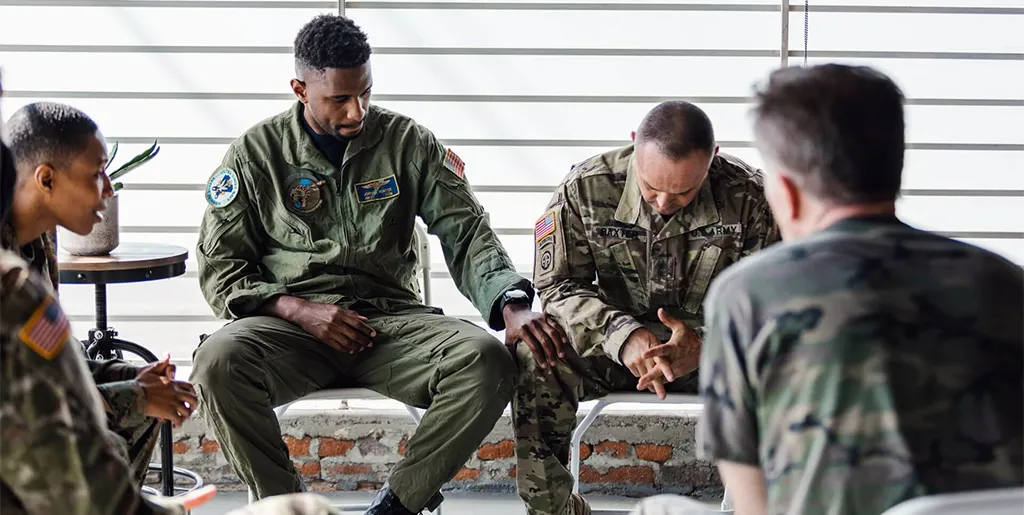
For many soldiers, the battlefield does not end when the uniform comes off. The transition from combat to civilian life can be filled with unseen wounds — memories, emotions, and physiological reactions that linger long after the physical danger has passed. Post‑traumatic stress disorder (PTSD) is one of the most significant mental‑health challenges faced by…
The Mental Struggles of Political Refugees
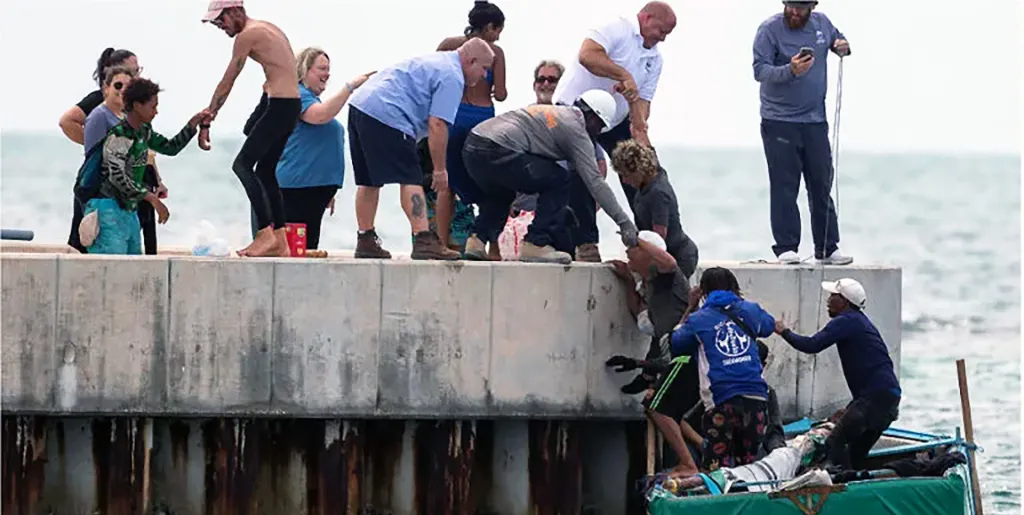
Political refugees carry stories shaped by fear, loss, and survival. They flee their home countries not by choice, but because staying means imprisonment, persecution, or death. While the world often sees the physical journey — crossing borders, navigating camps, rebuilding life in a new land — the emotional journey is far less visible. The mental…
Rape and Violence Against Women: The Lasting Impact
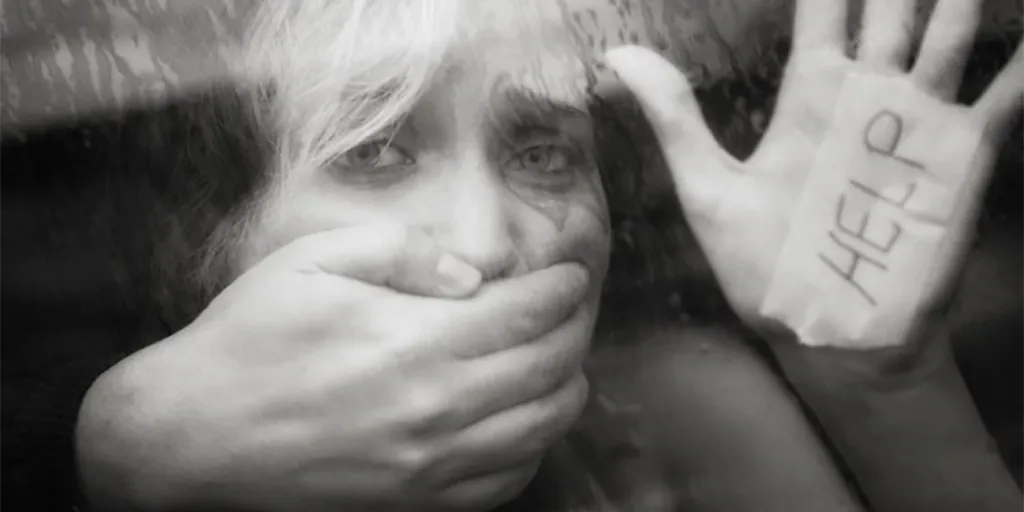
Rape and domestic violence can leave deep and lasting wounds on women, affecting far more than the moments of the assault itself. These experiences often shatter a person’s sense of safety, trust, and self-worth, leading to emotional struggles such as fear, shame, depression, anxiety, and post‑traumatic stress. Many survivors also face physical injuries, disrupted sleep,…
Mental Health Issues in Children and Adolescents
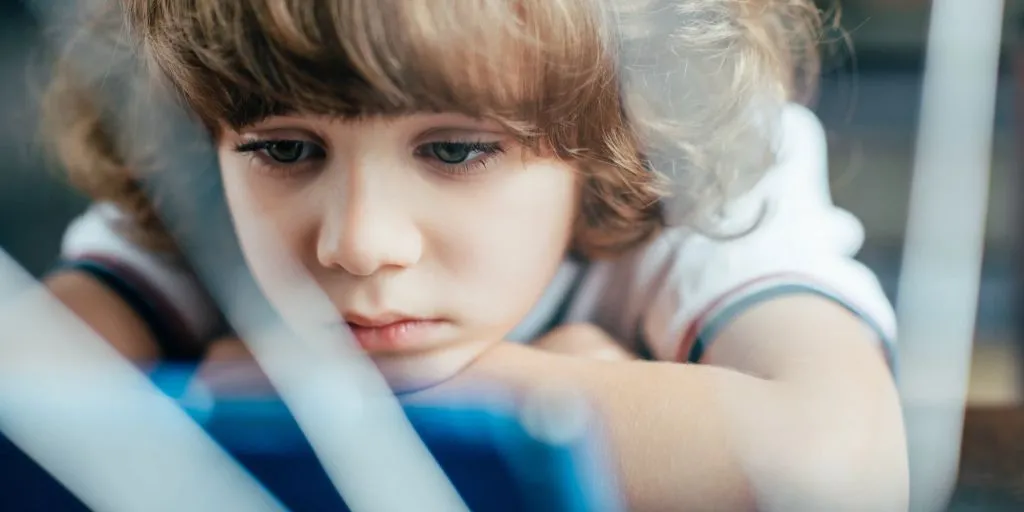
Mental health challenges in children and adolescents are far more common than many people realize. During these early years, the brain is rapidly developing, identities are forming, and young people are learning how to navigate relationships, emotions, and the world around them. When trauma, stress, or instability enters their lives, the impact can be profound…
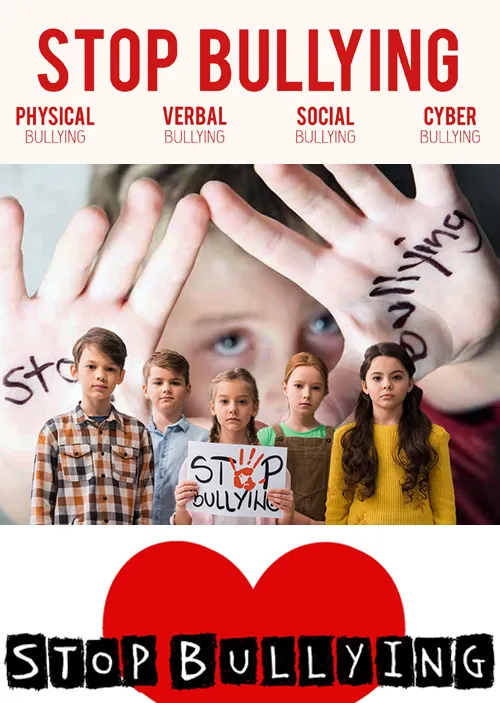
How you’re changing children’s mental state
Adapting
Children’s mental health is shifting because the world around them has changed faster than their ability to adapt. Several forces are reshaping their emotional well‑being, and the data shows both progress and serious challenges.
Education
Education is making progress in teaching children how to understand and manage their emotions, but it still isn’t enough to match the pressures kids face today. Schools introduce skills like empathy, self‑control, and conflict resolution, yet limited time, uneven programs, and rising stress from technology, social media, and academic demands mean many children don’t get the depth of support they need. Emotional development now depends on a partnership between schools, families, and communities, because no single system can carry the full weight of what children are experiencing.
Our Volunteers
Teamwork multiplies strength.
Daniel Nicholas
President & Advocate
Norberto Govin
Information Architect
Marlen Vistorte
Main Photographer
Norman Polansky
Psychology Adviser
Laura Daniela
Photographer
Lenid Grigolia
Immigration Lawyer
Marvelys Gutierrez
Nursing Adviser